

Est. 45+ Years · Dar es Salaam, Tanzania
Building Tanzania's Future with Quality Hardware Solutions
Kara Traders Limited has been Tanzania's most trusted hardware and building materials supplier for over four decades. From port projects to cement factories, Kara Traders Limited supplies the tools, equipment and building materials behind Tanzania's largest construction, mining and industrial projects — backed by a 45-year reputation for quality you can trust.
Who We Are
Tanzania's Trusted Hardware & Building Materials Partner
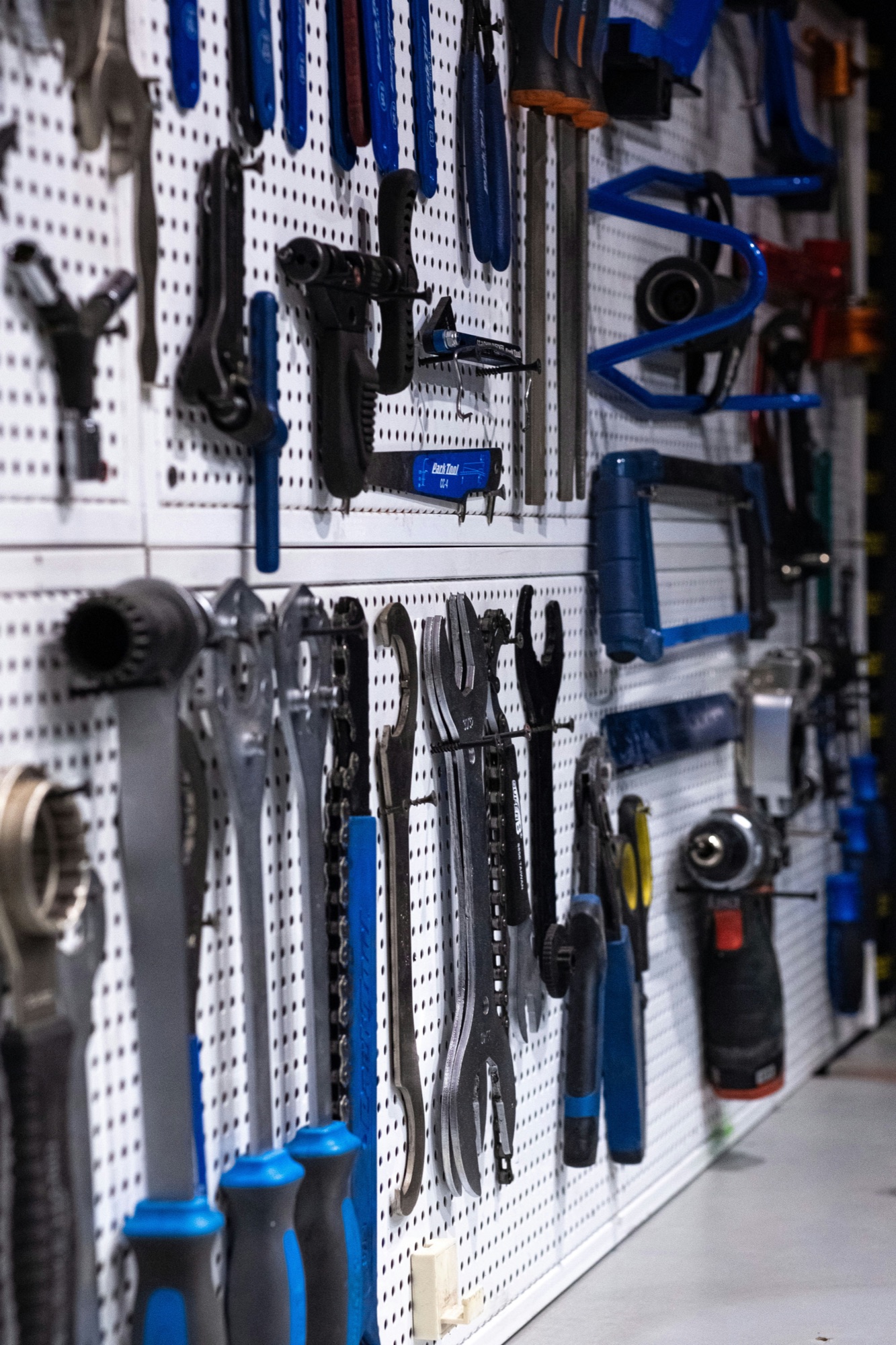
Kara Traders Limited was incorporated in the early 1990s, building on a family trading business, our parent company, which started in Shinyanga back in the 1970s. Today, we are one of Tanzania's most established hardware and industrial supply companies — headquartered in Dar es Salaam and supplying construction companies, mining operations, manufacturers and infrastructure contractors nationwide with the tools, materials and equipment that serious projects demand.
Every product we stock comes from internationally recognised manufacturers and goes through pre-dispatch inspection before it reaches your site. No substitutes. No compromises. When you order from Kara Traders, you receive exactly what you specified — and the technical support to use it right.
0+
Years in the Tanzanian market
0
Regions supplied nationwide
0+
Product lines in our catalog
0+
Major projects supplied
Kara Traders in Action
See the Scale Behind the Supply
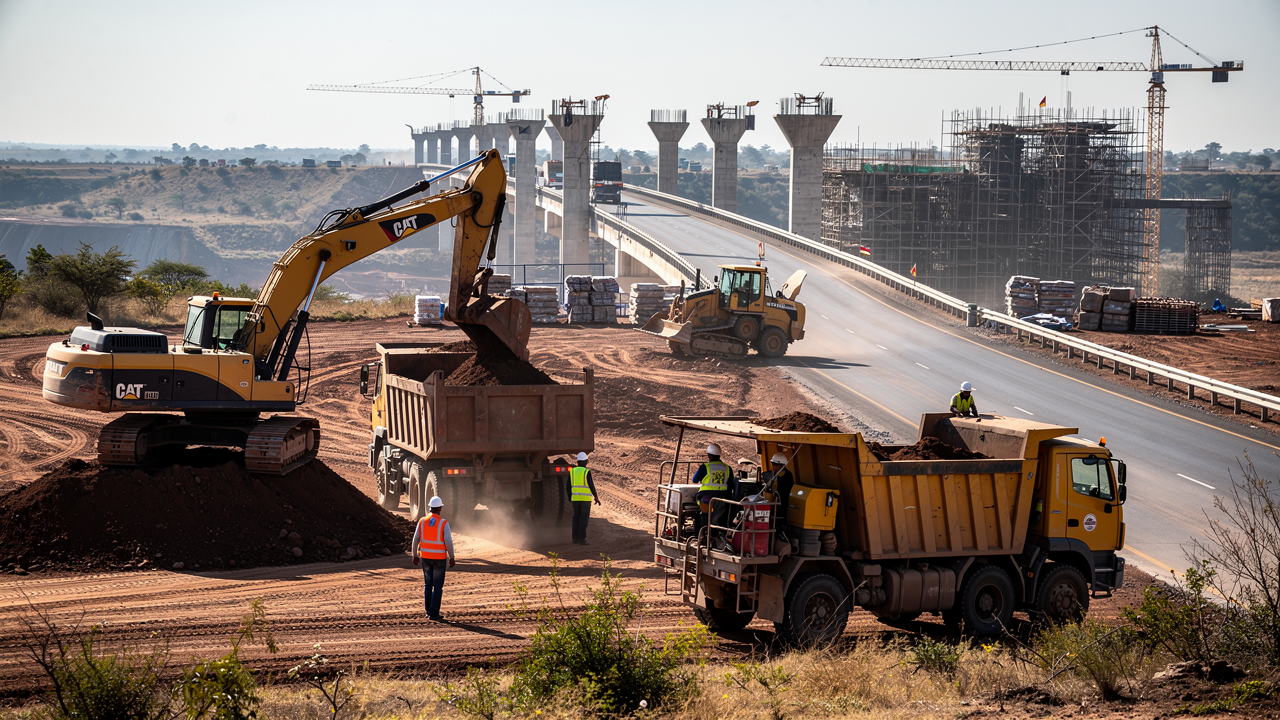
From our Dar es Salaam headquarters to worksites across all 26 regions — watch how Kara Traders keeps Tanzania's largest construction, mining and industrial projects moving with quality hardware and building materials.
Product Range
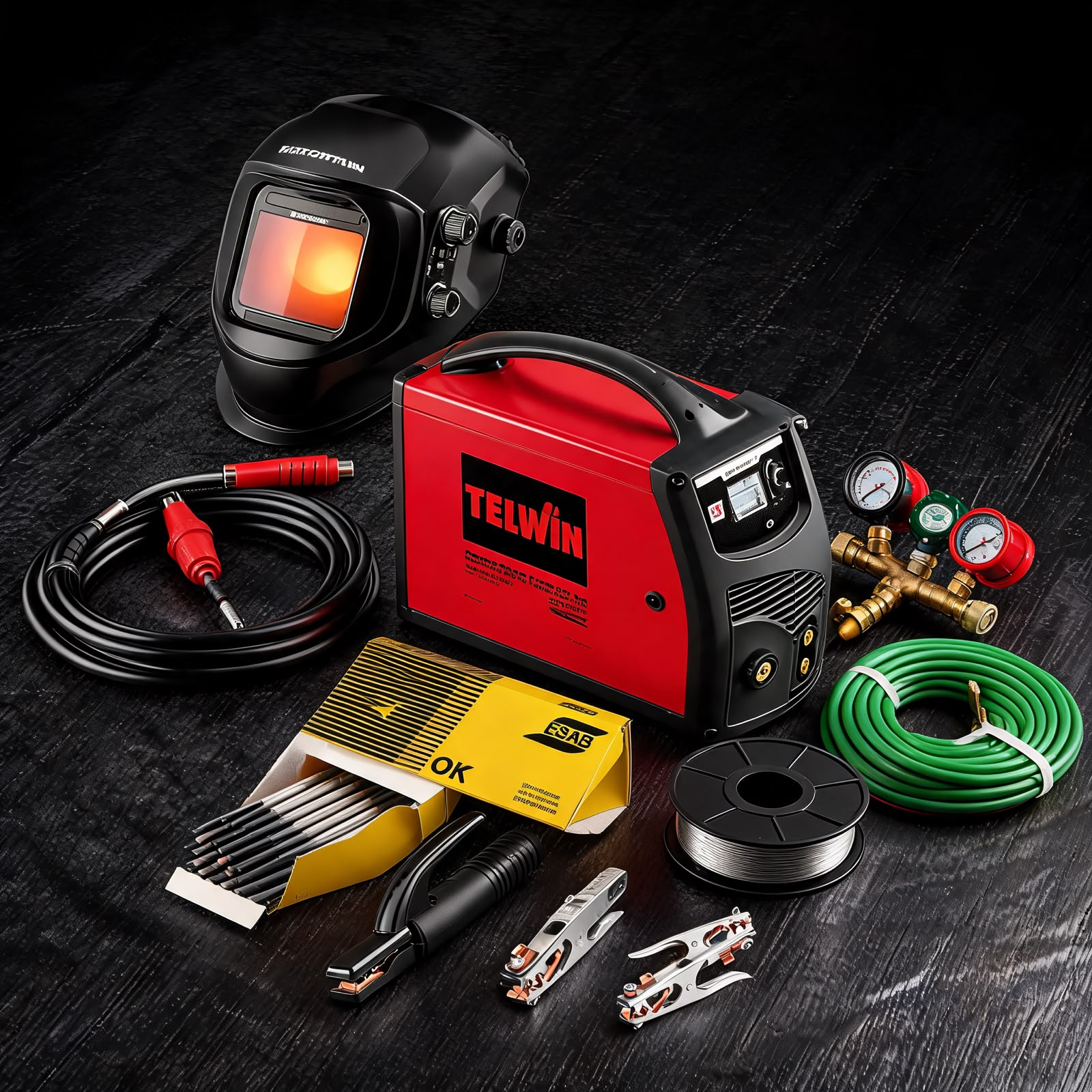
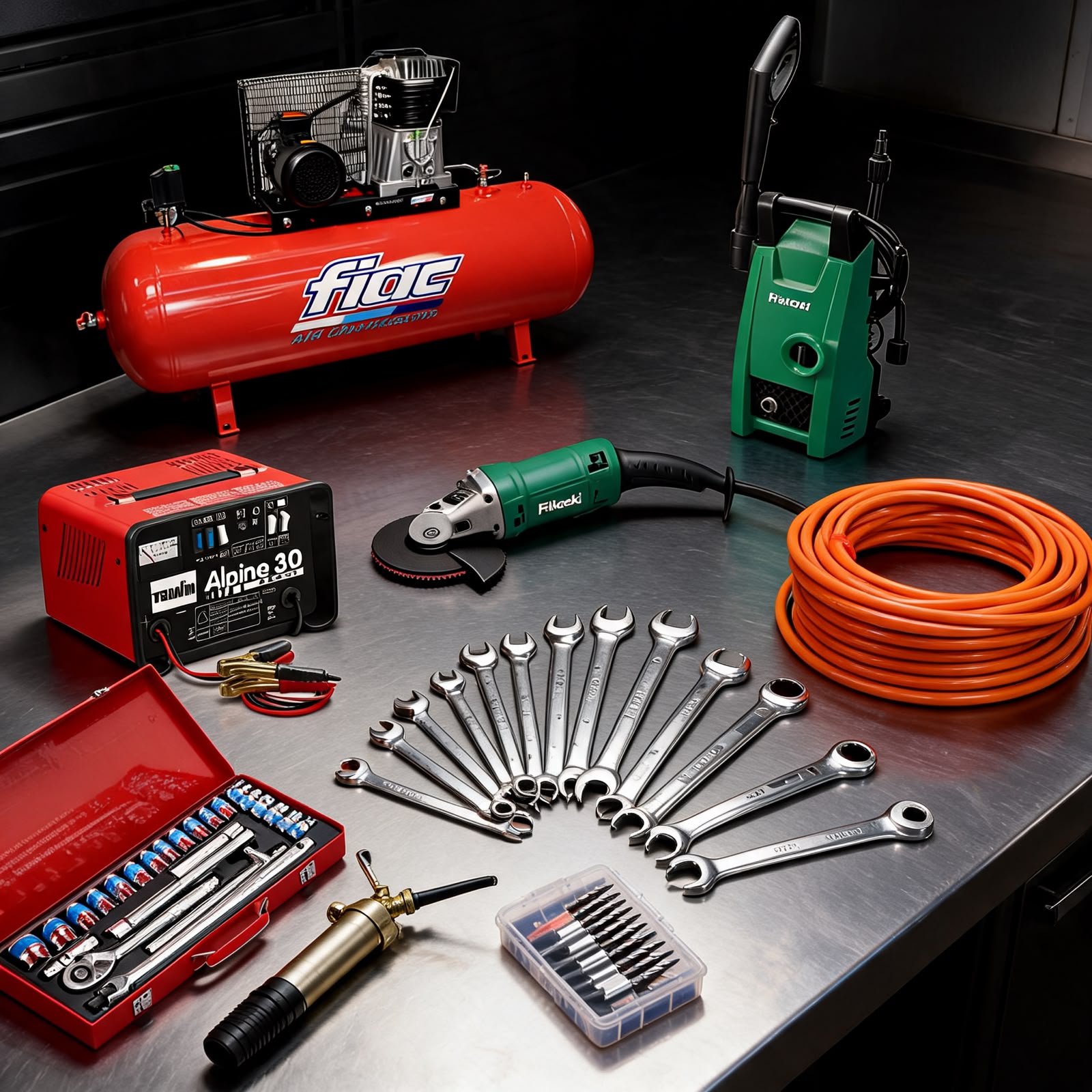
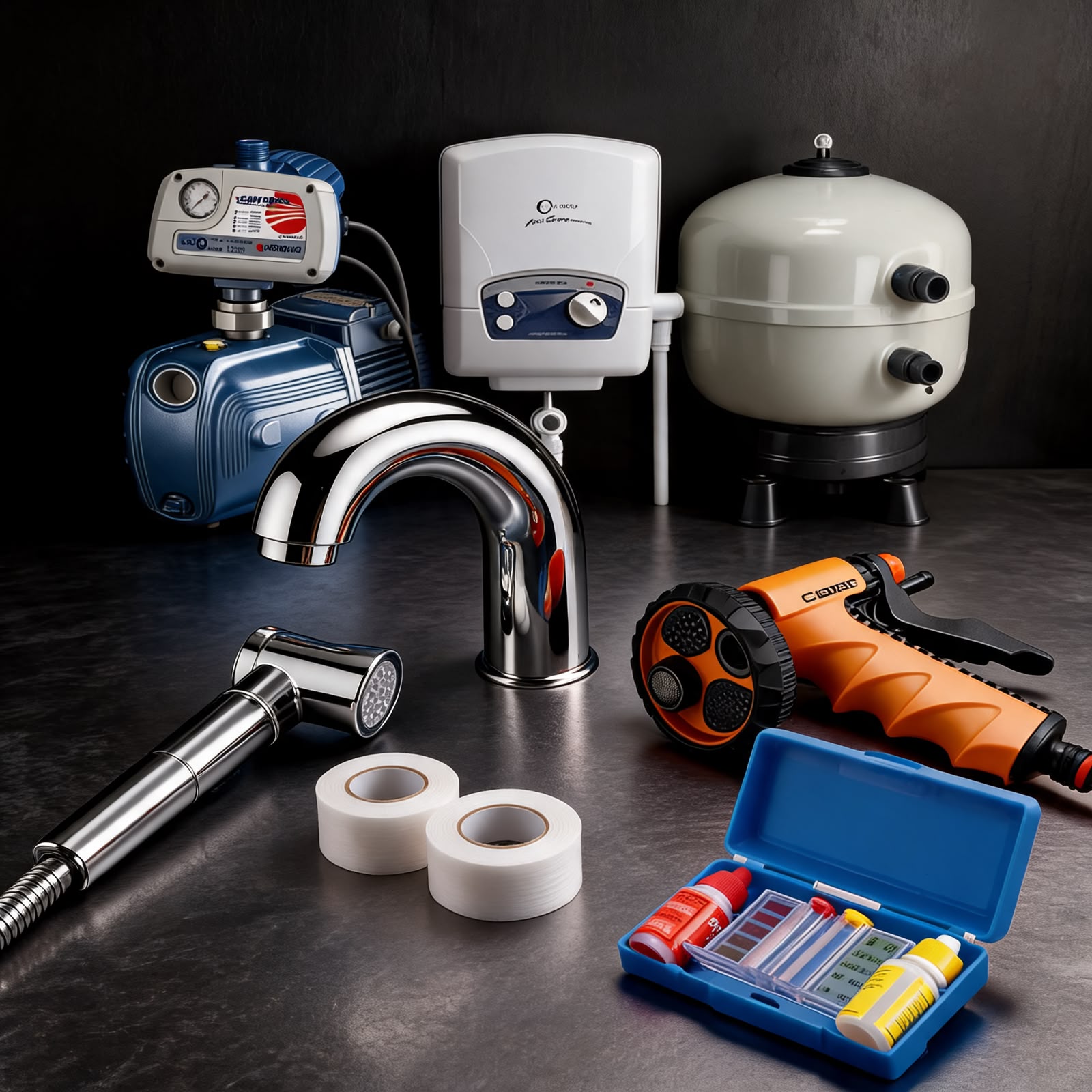
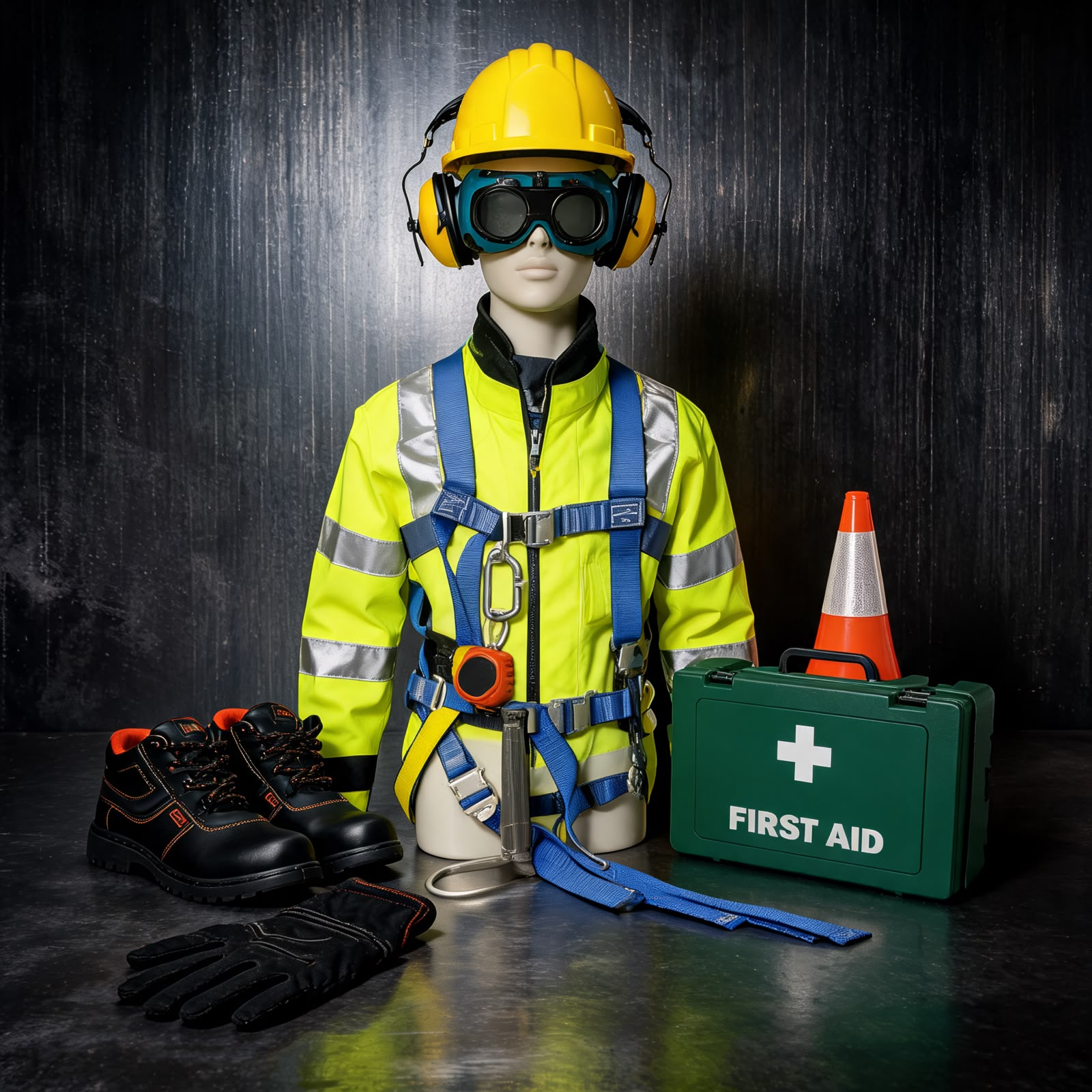
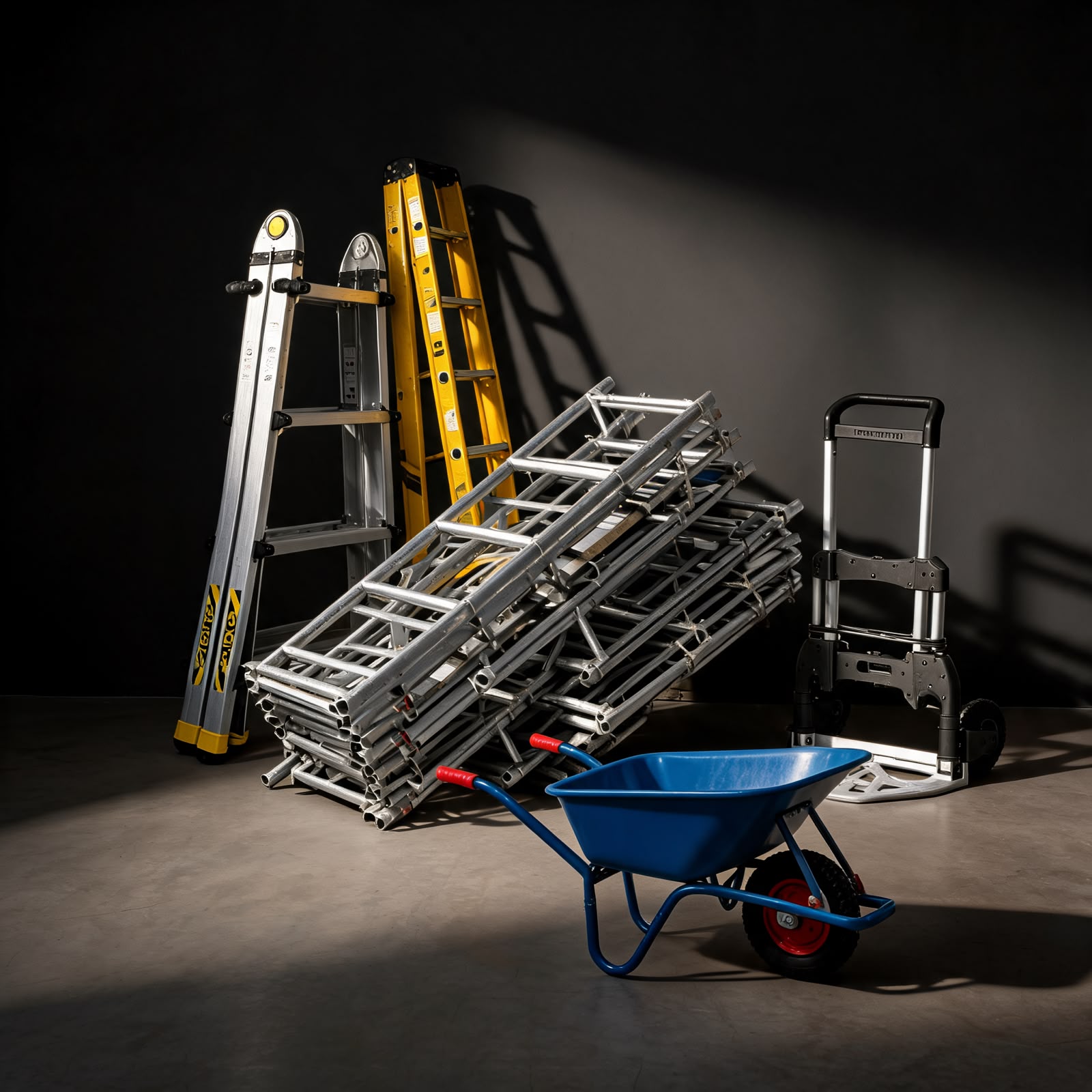
Everything Your Project Needs
Thousands of quality-inspected product lines across our core categories.


Featured Brands
World-Class Brands, Genuine Supply
We are authorised stockists for the brands that professionals trust most. Every product is sourced directly from the manufacturer or their approved distributors — so you always receive genuine goods, with the quality assurance to prove it.





Why Kara Traders
The Name You Can Trust
Four decades of supplying Tanzania's largest projects have taught us exactly what contractors, engineers and developers need from a supply partner.
Trusted Supplier in Tanzania
Since the 1970s, we have a reputation built on supplying some of the largest companies in the country, from port projects to cement factories. Our reputation is built on honest dealing and products that perform — project after project.
Wide Product Range
Eight categories. Over 5,000 product lines. From precision measuring instruments to water pumps, from welding equipment to safety PPE — we carry what professionals actually specify on the job.
Genuine Quality Products
Every product we stock is sourced from the original manufacturer or their authorized distributors. We carry no imitations, no parallel imports. What you specify is exactly what arrives on site — with quality documentation to prove it.
Competitive Pricing
Direct sourcing relationships and volume purchasing power keeps our pricing sharp without compromising on quality. Our long-standing manufacturer relationships allow us to offer competitive pricing on bulk orders and project packages. Request a quote and we'll respond within one business day.
Nationwide Delivery & Stockholding
Headquartered in Dar es Salaam with the capacity to deliver across Tanzania. Whether your project is in the city or up-country, we can supply to site and maintain stock availability across the full duration of your project.
Project Supply Agreements
For long-duration or large-scale projects, we offer structured supply agreements — locking in pricing, guaranteeing stock availability, and giving your procurement team one trusted partner for the life of the project.
Industries Served
Supplying Tanzania's Biggest Projects
From national infrastructure to private developments, from mining operations to industrial facilities — Kara Traders has the product range, supply capacity and experience to support Tanzania's most demanding sectors.
Construction & Civil Engineering
Full supply support for building contractors, housing developers and civil infrastructure projects of all scales.
Mining & Quarrying
Rugged tools, safety gear and operational supplies including consumables for Tanzania's mining sector — including gold, gemstone and all extractive operations.
Roadworks & Infrastructure
Heavy-duty materials and equipment for road construction, drainage works and national infrastructure programs.
Industrial Manufacturing
Maintenance tools, electrical supplies and safety equipment for manufacturing plants and processing facilities.
Energy & Utilities
Power generation equipment, electrical materials and pumping solutions for utilities, energy companies and off-grid installations.
Contractors & Engineers
Professional tools, consumables and technical guidance for electrical, plumbing and civil trades.
Client Testimonials
Trusted by the Professionals Who Build Serious Projects in Tanzania
Kara Traders has been our preferred hardware supplier on major infrastructure projects. Genuine products, competitive quotes, and reliable delivery — exactly what a busy site needs.
James M.
Project Manager, Civil Engineering Contractor — Dar es Salaam
We source power tools, measuring instruments and safety equipment from KTL across multiple sites. Their team understands specifications and helps us get the right product the first time.
Sarah K.
Procurement Lead, Industrial Manufacturing — Tanzania
In mining and quarry work you need tools that last and a supplier who responds quickly. Kara Traders has supported our operations with quality stock and dependable up-country supply.
Daniel R.
Operations Supervisor, Mining & Quarrying — Tanzania
Looking for a Supply Partner You Can Count On?
Hundreds of contractors, engineers and procurement teams across Tanzania already work with us. If you're not yet a Kara Traders customer, let's change that — tell us what your project needs and we'll put together a competitive quote within one business day.